


Instructions
Let's change our ways and learn how to reduce food waste while improving our soil!

First and foremost,
thank you
Thank you so much for participating in the Compost Classic experience.As the global population rises, food waste becomes a greater problem. We're creating a community focused on reducing the amount of food waste we send to landfills!
Our Goal: Raise awareness of the importance of taking care of our environment while actually doing it!
Why Compost
Composting reduces waste, makes us less dependent on landfills and decreases greenhouse gas emissions.
Need even more reasons to start composting? It strengthens soil and promotes healthy plant growth. No fertilizers or pesticides needed!

.png)
Ingredients list for a successful compost pile
1. Brown matter (or “browns”): Browns are carbon-rich materials such as dry leaves, newspaper, shredded brown cardboard or sawdust. They provide energy and absorb excess moisture and give structural strength to your pile. Browns keep the pile porous, facilitate airflow and prevent compaction.
2. Green matter (or “greens”): These are nitrogen-rich materials such as fresh grass clippings, weeds, coffee grounds, or food scraps. Greens are wet or recently growing materials. They provide nutrients and moisture for the compost workforce.
3. Water: Your compost pile should be consistently moist, which is especially important if you add lots of dry leaves. Usually, rainfall is enough to keep it damp, but you might have to spray it with water in a dry summer.
4. Air: Oxygen is necessary for aerobic micro-organisms to survive. They do all the work of turning your garden waste into black gold.
.png)
How to Compost
1. Choose a place: It should be located in a level, well-drained area. Putting it in a sunny spot in cool climates can help trap solar heat, while shade in warmer temperatures may keep it from drying out.
2. Define the size and start your compost pile on bare earth: The bottom dimensions should be at least 3’ x 3’, and the sides as tall as is comfortable. Having your compost pile on the earth allows worms and other beneficial organisms to aerate the compost and be transported to your garden beds.
3. Lay twigs or woodchips first: Once you decide on the location and size, start with a layer of coarse “browns” in contact with the soil, such as woodchips or pallets, as a base. This helps air flow into the bin and through the organic materials. Another way to facilitate or encourage airflow is to crisscross sticks and stalks to a height of 6-8” before adding nitrogen to the bin.
4. Add compost materials in layers: Keep food scraps away from the outside edges of the pile (only brown material should be visible). Cover your “greens” with a generous layer of “browns” so no food is visible. This will keep insect and animal pests out of the pile and filter any odor. Keep adding layers of greens and browns (like making lasagna). Keep layering the feedstock until the mass reaches 3 to 7 feet.
5. Keep compost moist. Water occasionally, or let the rain do the job.
6. Cover with anything you have – wood, plastic sheeting, carpet scraps: Covering helps retain moisture and heat, two essentials for compost. Covering also prevents the compost from being overwatered by rain. The compost should be moist but not soaked and sodden.
7. Turn: Give the pile a quick turn with a pitchfork or shovel every few weeks. This aerates the pile. Oxygen is required for the process to work, and turning “adds” oxygen. You can skip this step with a ready supply of coarse material like straw. Once you’ve established your compost pile, add new materials by mixing them in rather than in layers. Mixing or turning the compost pile is critical to aerating the composting materials and speeding the process to completion.
Compost at Home
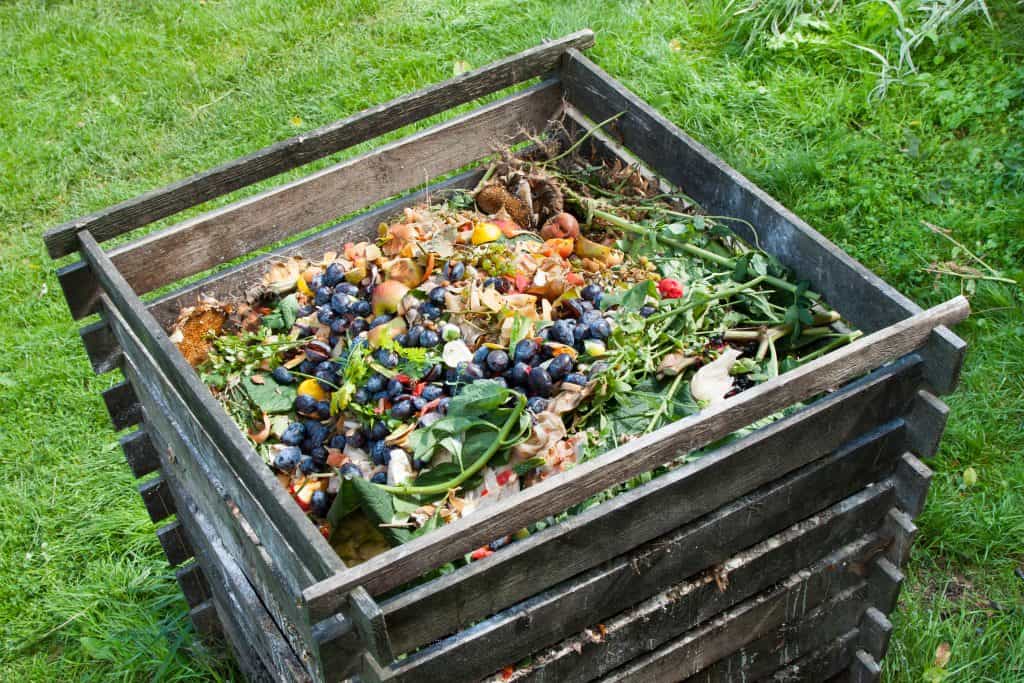
Want to compost at home? Composting at home is a great way to reduce your food waste while creating powerful soil for you garden!
Can't compost at home?
Can't compost at home? Don't worry! We have resources for you to start composting locally!
You've successfully completed your Compost Classic experience!
Nice work! Now what?

We’d love your thoughts!
Have 32 seconds? We always want to make these experiences better and would love your feedback.
Recycling is hard so we made this resource list to make it easier!
We build our volunteer events to be as environmentally friendly as possible. Whether it is offsetting the carbon emissions of the shipping process, using recycled cardboard for the boxes, or relying on algae based dyes, we’ve made conscious steps to ensure we’re doing right for our world.

Offset your carbon
Use CarbonHero to understand your carbon footprint and offset it monthly!
Learn More
How we offset our carbon footprint
We have partnered with Cool Effect on The Mare Chicose landfill project in Mauritius to reduce methane emissions, generate electricity, create jobs, and promote sustainable development. Investing in the project helps reduce our carbon footprint and support global climate change mitigation.


.png)




Have questions about your experience?
We’re here to help!
Get in touch with us here or give us a call. Feel free to also chat with Kai and he’ll fetch a member of our team to help!
